University of Manchester — School of Biology

O'Connell
Research Group

Comparative Genomics & Molecular Evolution

For more than 20 years we have been dedicated to understanding the patterns we see in the living world through the lens of genomic evolution — from the origin of the eukaryotic cell to the phenotypic diversity of animals.

20+
Years of Research
4
Research Themes
Top 25
Global University
70+
Publications

Our Research

We employ computationally intense approaches to fundamental questions in biology — from the patterns of adaptation encoded in molecular sequences to the deep evolutionary history of animals and the evolution of animal systems and traits.
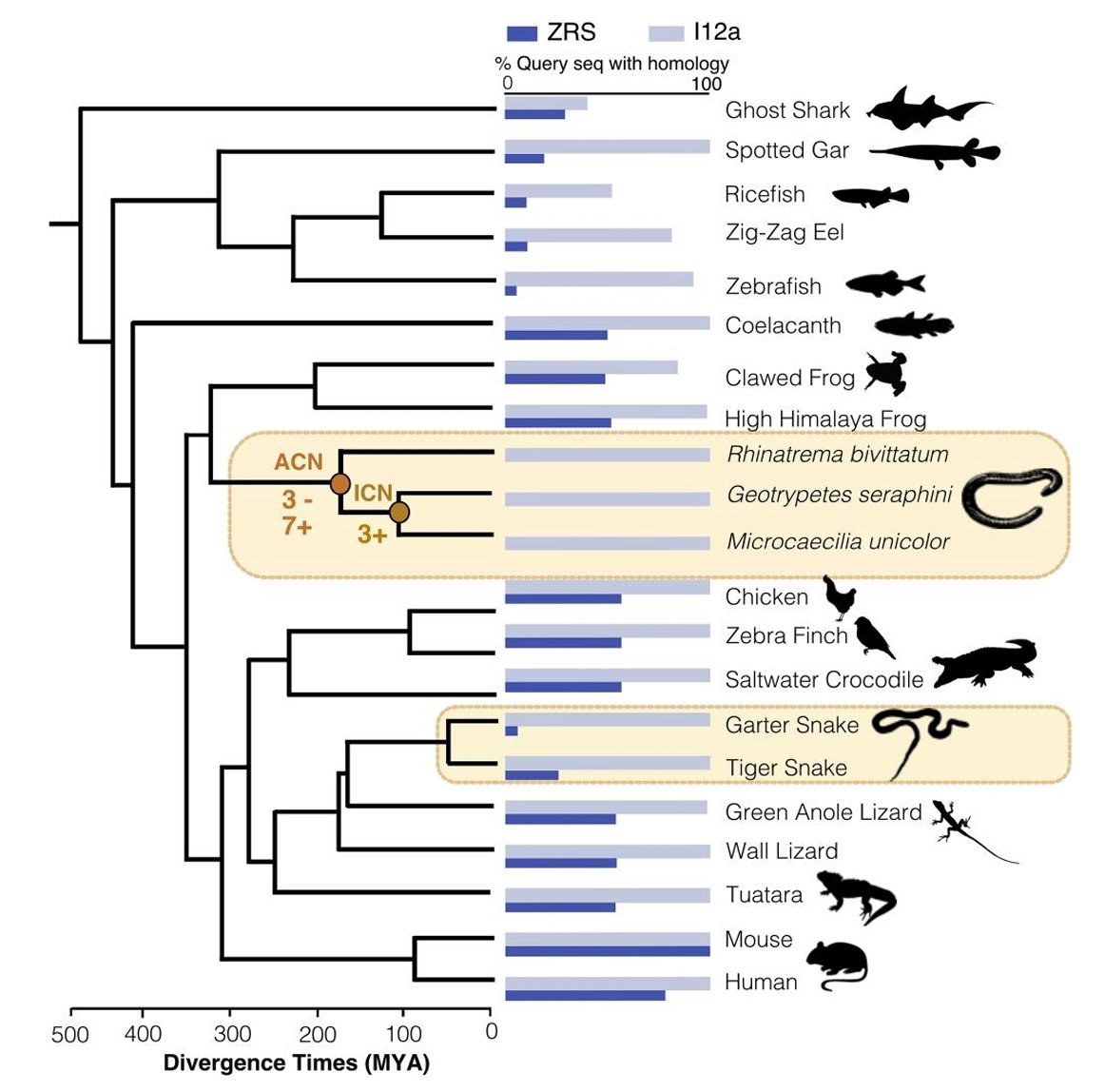
Caecilian phylogeny and ZRS/I12a homology across vertebrates Molecular Evolution
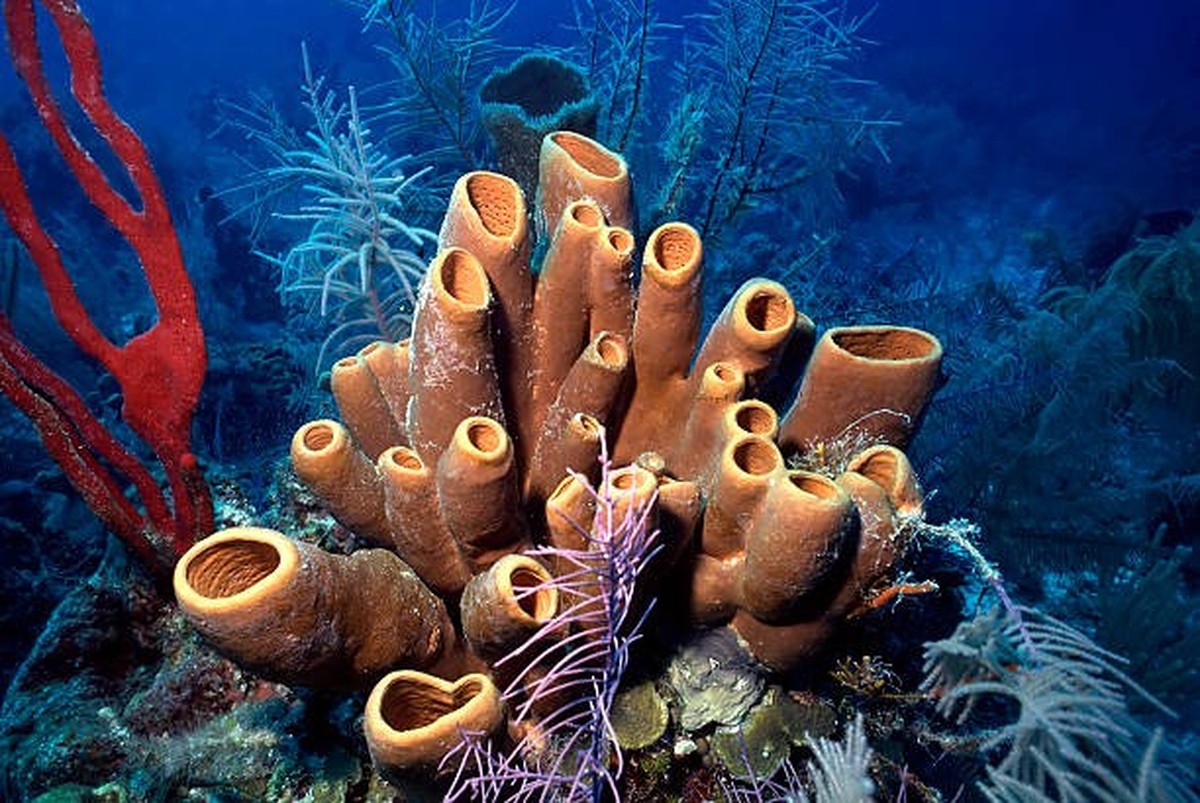
Tube sponge — Porifera, a key study organism Phylogenomics
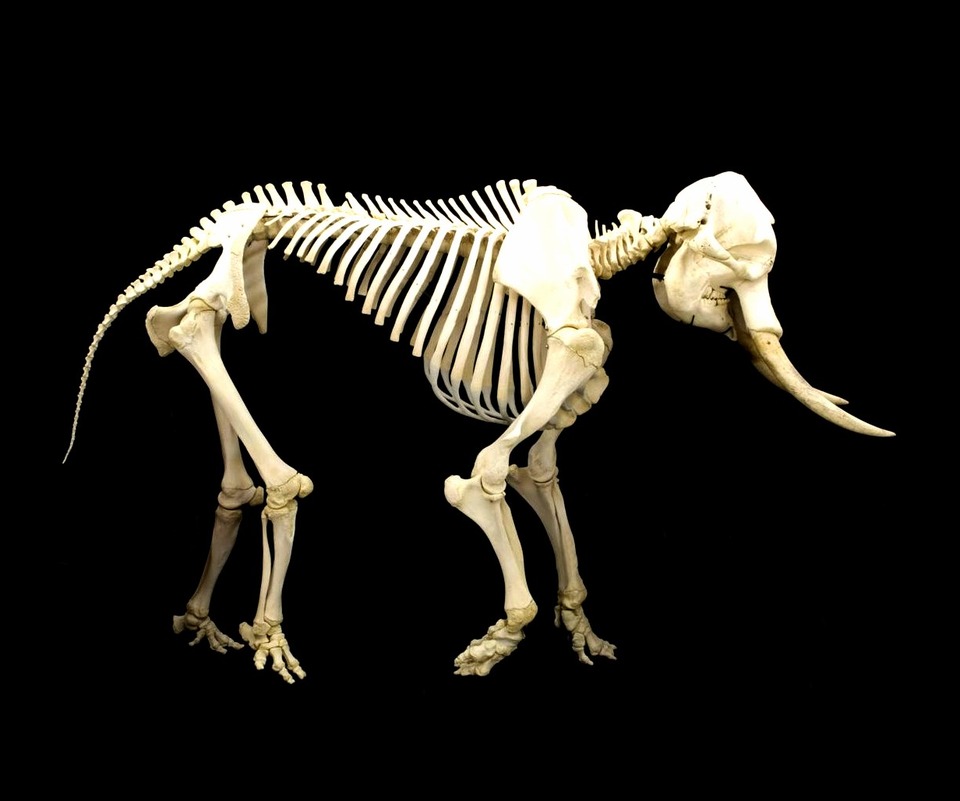
Elephant skeleton — Vertebrate Genomics research theme Vertebrate Genomics
01 ——

Phylogenetics & Phylogenomics

Uncovering the tree-like and non-tree-like processes that contribute to phenotypic diversity and speciation. Developing and implementing new methods for constructing genome-scale phylogenetic histories.

02 ——

Comparative Genomic Zoology & Regulatory Evolution

Investigating the molecular evolution of regulatory networks and the control of gene expression as a primary driver of animal diversity. We study how changes in regulatory architecture — from transcription factor binding sites to non-coding RNA repertoires — underpin the development and evolution of animal organs and systems.

03 ——

Eukaryotic Origins

Understanding the deep history of the eukaryotic cell, including the hybrid nature of the Eukaryota and the contributions of the Asgard archaea to our understanding of cellular evolution.


Our Team

Prof. Mary J. O'Connell, Chair of Zoology, University of Manchester Principal Investigator
Principal Investigator & Chair of Zoology

Prof. Mary J. O'Connell

Chair of Zoology, University of Manchester

Mary is an evolutionary genomicist whose research group has three primary areas of interest: Phylogenomics, Evolutionary Theory and Adaptation, and Molecular Comparative Zoology.

She is an active member of the international Society of Molecular Biology and Evolution (SMBE), where she has held the role of councillor and SMBE annual international conference co-organiser. She also holds the honour of being an elected Fellow of the Linnean Society.

Mary has organised and taught on EMBO advanced courses in Phylogenetics and Phylogenomics in Ireland, Colombia, Sicily, and Peru.

Evolutionary Genomics Phylogenomics Molecular Evolution Comparative Genomics Linnean Society Fellow

Our Partners

Current Group Members

View Project →
Senior Research Fellow

Dr. Alan J.S. Beavan

Molecular Evolution of Eukaryotic Ribosome Specialisation.

View Project →
Research Fellow

Dr. Jonathan Fenn

Role of microRNAs in the evolution of placental mammal phenotype diversity and convergence.

View Project →
Research Fellow

Dr. Christopher H. Taylor

Molecular Evolution of Heat Tolerance in mammals and the impact of increased temperature on reproduction and offspring.

View Project →
PhD Candidate

Meléa Sinclair

Molecular evolution of microRNAs and their role in mammal reproduction.

View Project →
PhD Candidate

Jeni Sidwell

Molecular Evolution of lactation strategies in Pinnipeds.

View Project →
PhD Candidate

Eilidh Ward

The evolution of novel ORFs.

News

Recent highlights, publications, events and announcements from the group.

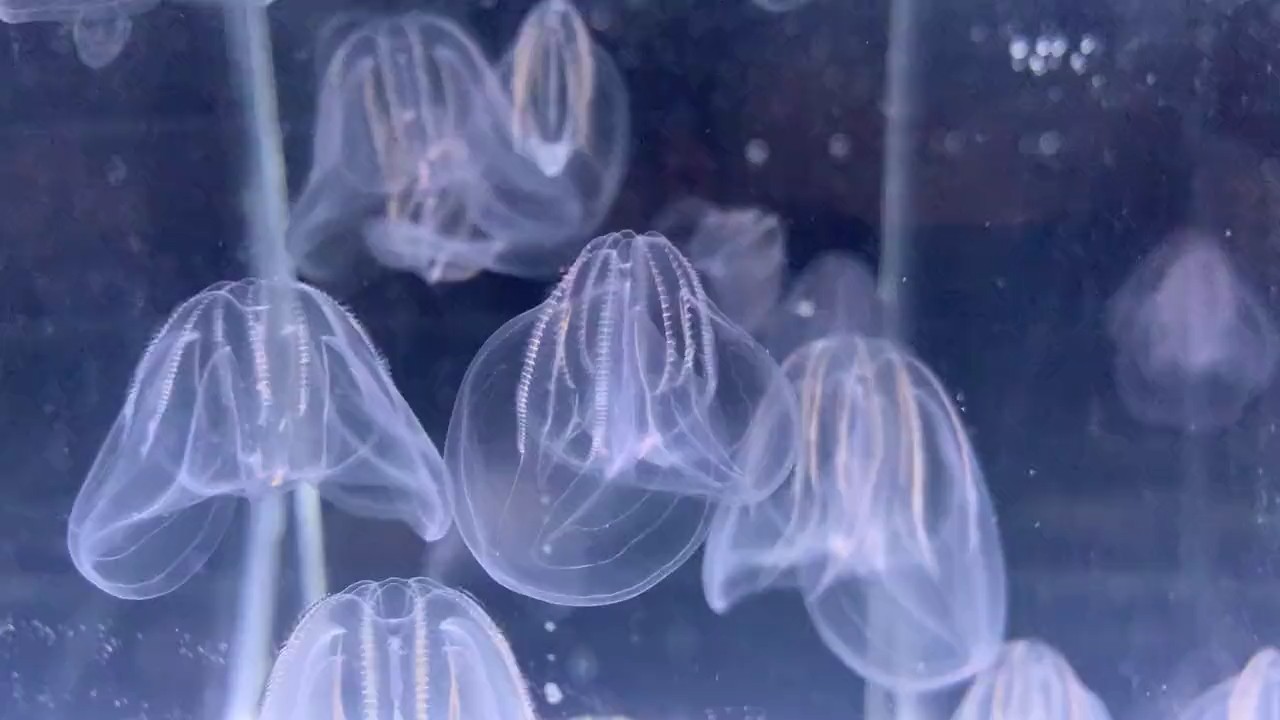
Ctenophores — comb jellies, a key outgroup study organism
2025

Welcome to the University of Manchester

Prof. Mary J. O'Connell joins the University of Manchester as Chair of Zoology, embedding the group within one of the world's leading centres for evolutionary biology and a hub of excellence in evolutionary theory. Our interdisciplinary research uses 'omics data to investigate animal phylogenomics and the molecular evolution of animal traits, systems and organs — with a particular focus on how regulatory networks and the molecular control of gene expression evolve to drive the development and diversification of animal life. Manchester marks an exciting new era for the lab, providing an unparalleled environment in which to expand this work at the interface of evolutionary genomics, developmental biology and comparative zoology.

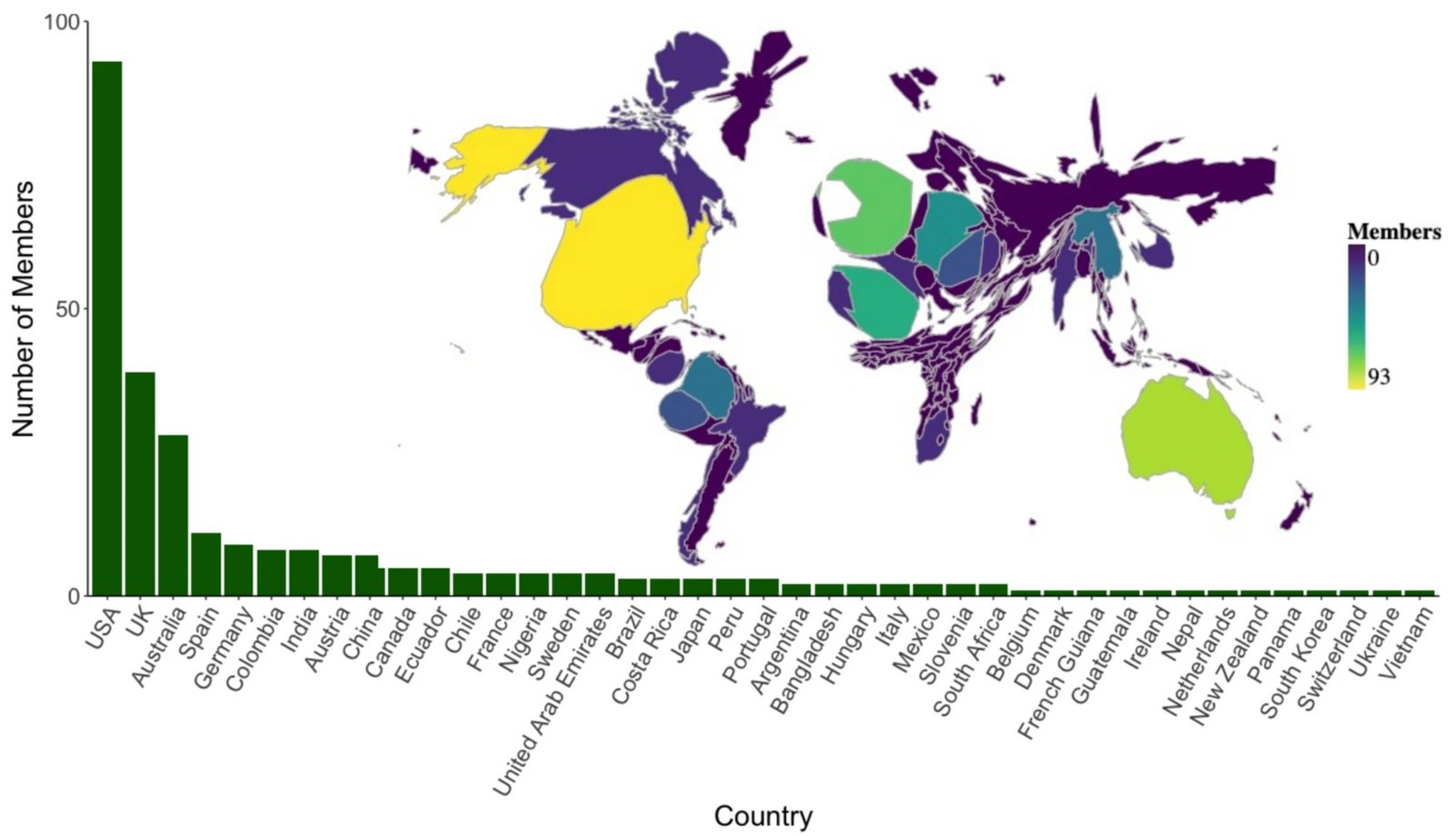
Global distribution of Amphibian Genomics Consortium membership
Global Initiatives

Large International Efforts to Sequence All of Life

The O'Connell lab contributes to several landmark global sequencing initiatives — the Earth BioGenome Project (EBP), the Vertebrate Genomes Project (VGP), the Amphibian Genomics Consortium (AGC) and the European Reference Genome Atlas (ERGA). Together these collaborations aim to generate reference-quality genome assemblies for all eukaryotic life on Earth, creating an unprecedented resource for evolutionary biology, conservation and biotechnology. Our group contributes expertise in comparative genomics and molecular evolution, helping to extract biological meaning from this extraordinary catalogue of genomes.

Come Join Us — Open Positions in the O'Connell Research Group
Positions

Open Positions in the Group

We are always interested in hearing from motivated PhD students and postdoctoral researchers. Please contact Prof. O'Connell with your CV and a brief statement of research interests.

Get in touch →
Latest publication from the O'Connell Research Group
Latest Publication

Loading…

View in publications →

Publications

All publications from the group. Hover over any paper to read a brief summary. For citation metrics see our Google Scholar profile.

2026

InspectorORF: a tool for visualising Ribo-Seq and additional genomic or transcriptomic data IN PRESS ▸ hover for summary

Ward EL, Birds I, O'Connell MJ, Westhead DR, Aspden JL

Bioinformatics Advances
Introduces InspectorORF, a bioinformatics tool for integrating and visualising ribosome profiling (Ribo-Seq) data alongside other genomic and transcriptomic datasets. The tool enables researchers to inspect open reading frames and translation events in an intuitive graphical interface, lowering the barrier to Ribo-Seq analysis for the broader community.
2025

Bovine endometrial organoids: A new tool to study conceptus-maternal interactions in mammals ▸ hover for summary

Edge JC, Amelkina O, Tinning H, Giovanardi G, Mancinelli E, Gardner S, Vasconcelos EJR, Pensabene V, Forbes K, O'Connell MJ, Ruane P, Forde N

Biology of Reproduction ↗ Full Paper
Describes the development and validation of bovine endometrial organoids as a physiologically relevant in vitro model for studying how the conceptus communicates with the maternal endometrium. These 3D culture systems recapitulate key cellular features of the uterine lining and provide a powerful new platform for dissecting implantation mechanisms across mammalian species.
2025

The embryo-derived protein PDI is highly conserved among placental mammals and alters the function of the endometrium in species with different implantation strategies ▸ hover for summary

Tinning H, Taylor AS, Wang D, Pullinger A, Oikonomou G, Velazquez MA, Thompson P, Treumann A, Ruane PT, O'Connell MJ, Forde N

Biology of Reproduction ↗ Full Paper
Demonstrates that Protein Disulfide Isomerase (PDI), secreted by the early embryo, is deeply conserved across placental mammals and exerts functional effects on endometrial cells. Comparative analysis across species with contrasting implantation strategies reveals PDI as a key molecular signal mediating embryo–maternal dialogue, with implications for understanding implantation failure.
2025

An evolutionarily conserved microRNA, miR-185, regulates key pathways that may contribute to implantation failure IN PRESS ▸ hover for summary

Smith W, Tinning H, Edge JC, Butt Z, Deligianni F, Morales C, Muter J, Brosens J, Mascarenhas M, Bhandari H, O'Connell MJ, Lucas E, Simpson N, Forde N

Journal of Reproduction ↗ Full Paper
Identifies miR-185 as an evolutionarily conserved microRNA that regulates critical signalling pathways in the endometrium. Functional experiments demonstrate that dysregulation of miR-185 perturbs pathways known to be important for receptivity, suggesting a potential mechanism underlying implantation failure in a subset of women experiencing recurrent pregnancy loss.
2025

Defining ribosome specialisation ▸ hover for summary

Beavan AJS, Thuburn V, Hopes TS, Fatkhullin B, Chan T, Dimascio E, Cunningham J, Zhao N, Norris K, Chau C, Wood A, Whitehouse A, Actis P, Davies B, Fontana J, O'Connell MJ*, Thomson E*, Aspden JL*

Philosophical Transactions of the Royal Society B
Provides a conceptual and empirical framework for understanding ribosome specialisation — the idea that distinct ribosome populations with different protein or RNA compositions preferentially translate specific mRNAs. Drawing on structural, proteomic and functional data, the paper defines criteria for ribosome specialisation and explores the evolutionary and regulatory implications of compositional ribosome heterogeneity.
2024

The Amphibian Genomics Consortium: advancing genomic and genetic resources for amphibian research and conservation ▸ hover for summary

Kosch TA, Torres-Sánchez M, Liedtke HC, Summers K, Yun MH, Crawford AJ, Maddock ST et al. and Amphibian Genomics Consortium (AGC)

BMC Genomics
Presents the Amphibian Genomics Consortium (AGC), a large international collaboration assembling genomic and genetic resources across amphibian diversity. The paper describes the consortium's goals, membership, and early data outputs, emphasising the value of amphibian genomes for evolutionary biology, ecology and conservation of this highly threatened vertebrate class.
2023

Understanding conceptus-maternal interactions: what tools do we need to develop? ▸ hover for summary

Butt Z, Tinning H, O'Connell MJ, Fenn J, Alberio R, Forde N

Reproduction Fertility and Development
A perspective and review article examining the current experimental toolkit for studying how the early embryo communicates with the maternal endometrium. The authors identify key technological gaps — including the need for better in vitro models, single-cell approaches, and cross-species comparative frameworks — and outline a roadmap for advancing the field.
2023

Marine mammal genomes: Important resources for unravelling adaptation and evolution in the marine environment ▸ hover for summary

Zhang P, Goodman SJ, O'Connell MJ, Bai S, Li S

The Innovation Geoscience
Reviews the growing catalogue of marine mammal genome assemblies and their utility for understanding molecular adaptations to aquatic life. Topics covered include convergent evolution of swimming morphology, sensory adaptations, thermoregulation, and responses to hypoxia and diving, demonstrating how comparative genomics illuminates repeated transitions to life in the sea.
2023

Caecilian genomes reveal molecular basis of adaptation and convergent evolution of limblessness in vertebrates ▸ hover for summary

Ovchinnikov V, Uliano-Silva M, Wilkinson M, Wood J, Smith M, Oliber K, Sims Y, Torrence J, Suh A, McCarthy S, Durbin R and O'Connell MJ*

Molecular Biology and Evolution ↗ Full Paper
Reports the first high-quality reference genomes for three caecilian species, the limbless amphibians. Comparative genomic analysis reveals the molecular underpinnings of convergent limb loss across vertebrates, identifying shared changes in limb-development gene networks (including the ZRS enhancer) between caecilians and snakes, and uncovering unique features of caecilian genome architecture and repeat content.
2023

An ancestral burst of regulatory and protein innovation drives divergent implantation in eutherian mammals ▸ hover for summary

Taylor AS, Tinning H, Ovchinnikov V, Smith W, Pullinger AL, Sutton RA, Constantinides B, Wang D, Forde N, O'Connell MJ*

Nature Communications Biology ↗ Full Paper
Demonstrates that a rapid burst of molecular innovation — encompassing both protein-coding genes and regulatory elements — at the base of eutherian mammals was associated with the evolution of diverse implantation strategies. By integrating comparative genomics with functional endometrial data, the study links ancestral genomic changes to the divergence of superficial, interstitial and invasive placentation observed across mammalian orders.
2023

Placental mammal derived microRNAs alter pathways in the endometrial epithelia important for endometrial function ▸ hover for summary

Hume J, Edge JC, Tinning H, Wang D, Taylor AS, Ovchinnikov V, Geijer-Simpson A, Brosens JJ, Lucas ES, Simon NAB, Shilito J, Forbes K, O'Connell MJ, Forde N

iScience
Shows that microRNAs derived from placental mammal-specific genomic loci alter gene expression and signalling pathways in endometrial epithelial cells. Functional assays demonstrate effects on pathways critical for uterine receptivity and implantation, linking the evolutionary emergence of new miRNA families in placental mammals to physiological innovation at the embryo–maternal interface.
2023

Improving orthologous signal and model fit in datasets addressing the root of the animal phylogeny ▸ hover for summary

McCarthy CGP, Mulhair PO, Siu-Ting K, Creevey CJ, and O'Connell MJ*

Molecular Biology and Evolution
Addresses systematic biases that distort phylogenomic analyses of deep animal relationships. By improving ortholog selection strategies and testing more appropriate substitution models, the study demonstrates that dataset quality — not simply size — is the key determinant of resolving contentious branches such as the position of non-bilaterian animals at the root of the animal tree of life.
2022

Enriching for orthologs increases support for Xenacoelomorpha and Ambulacraria sister relationship ▸ hover for summary

Mulhair PO, McCarthy CGP, Siu-Ting K, Creevey CJ, and O'Connell MJ*

Current Biology
Demonstrates that carefully curated ortholog datasets, free from paralogous contamination, robustly support Xenacoelomorpha as sister to Ambulacraria (hemichordates and echinoderms), with implications for understanding the origins of the vertebrate body plan. The study illustrates how ortholog enrichment resolves conflicting phylogenetic signals at deep nodes in the animal tree.
2021

Adaptive evolution in TRIF leads to discordance between human and mouse innate immune signaling ▸ hover for summary

Hyland EM, Webb AE, Kennedy KF, Ince Z, Loscher CE and O'Connell MJ*

Genome Biology and Evolution
Identifies signatures of positive (adaptive) selection in TRIF, a key adaptor protein in Toll-like receptor signalling, specifically in the human lineage. Functional comparisons reveal that human and mouse TRIF have diverged in their signalling activity, cautioning against uncritical use of murine models for studying human innate immune responses and inflammatory diseases.
2021

Specialisation of ribosomes in gonads through paralog-switching ▸ hover for summary

Hopes T, Agapiou M, Norris K, McCarthy CGP, O'Connell MJ, Fontana J, Aspden JL

Nucleic Acids Research
Reveals that germ cells and gonadal tissues produce specialised ribosomes by exchanging canonical ribosomal protein paralogs for tissue-specific variants — a process termed paralog-switching. Structural and functional analyses show these specialised ribosomes have distinct properties, suggesting they preferentially translate specific mRNAs required for gametogenesis and reproductive fitness.
2021

Cytoplasmic long non-coding RNAs are differentially regulated and translated during human neuronal differentiation ▸ hover for summary

Douka K, Birds I, Wang D, Kosteletos A, Clayton S, Byford A, Vasconcelos EJR, O'Connell MJ, Deuchars J, Whitehouse A, and Aspden JL

RNA
Profiles cytoplasmic long non-coding RNAs (lncRNAs) during human neuronal differentiation, finding that many are dynamically regulated and — unexpectedly — associate with ribosomes and show evidence of translation. These findings challenge the canonical view of lncRNAs as purely non-translated and suggest functional roles for small peptides encoded within lncRNA loci during neurogenesis.
2021

Spectrum of pathogenic variants and multiple founder effects in amelogenesis imperfecta associated with MMP20 ▸ hover for summary

Nikolopoulos G, Smith CEL, Poulter JA, Murillo G, Silva S, Brown CJ, Day PF, Soldani F, Al-Bahlani S, Harris SA, O'Connell MJ, Inglehearn CF, Mighell AJ

Human Mutation
Catalogues pathogenic variants in MMP20 (Matrix Metalloproteinase 20) associated with amelogenesis imperfecta, a hereditary disorder of tooth enamel formation. Genetic analysis across multiple populations reveals recurrent founder mutations, demonstrating that specific MMP20 alleles arose independently in geographically distinct groups, with implications for genetic counselling and diagnosis.
2020

The role of CAPG in molecular communication between the embryo and the uterine endometrium: Is its function conserved in species with different implantation strategies? ▸ hover for summary

Tinning H, Taylor A, Wang D, Constantinides B, Sutton R, Oikonomou G, Velazquez MA, Thompson P, Treumann A, O'Connell MJ and Forde N

FASEB Journal
Investigates the macrophage-capping protein CAPG as a candidate embryo-derived signal in early pregnancy. By combining proteomics, comparative genomics and functional endometrial assays across cattle, sheep and human, the study shows CAPG is secreted by the conceptus and modulates endometrial gene expression, with conservation of function despite divergence in implantation strategy.
2020

New missense variants in RELT causing hypomineralised amelogenesis imperfecta ▸ hover for summary

Nikolopoulos G, Smith CEL, Brookes SJ, El-Asrag ME, Brown CJ, Patel A, Murillo G, O'Connell MJ, Inglehearn CF, Mighell AJ

Clinical Genetics
Reports novel pathogenic missense variants in RELT (Receptor Expressed in Lymphoid Tissues), establishing it as a causative gene for hypomineralised amelogenesis imperfecta. Functional analysis supports the role of RELT-mediated signalling in tooth enamel mineralisation, expanding the genetic architecture of inherited enamel disorders.
2019

Strigolactone synthesis is ancestral in land plants, but canonical strigolactone signalling is a flowering plant innovation ▸ hover for summary

Walker C, Siu-Ting K, Taylor A, O'Connell MJ, Bennett T

BMC Biology
Reconstructs the evolutionary history of strigolactone biosynthesis and signalling across land plants. Phylogenomics and functional data show that while strigolactone production is ancient and widespread, the canonical receptor-mediated signalling pathway evolved specifically in angiosperms (flowering plants), representing a key innovation that diversified hormonal control of plant development.
2019

Gene fusions derived by transcriptional readthrough are driven by segmental duplication in human ▸ hover for summary

McCartney AM, Hyland EM, Cormican P, Moran RJ, Webb AE, Lee KD, Hernandez J, Prado-Martinez J, Creevey CJ, Aspden JL, McInerney JO, Marques-Bonet T, and O'Connell MJ*

Genome Biology and Evolution
Demonstrates that transcriptional readthrough — the production of chimeric transcripts spanning two adjacent genes — is strongly enriched in regions of segmental duplication in the human genome. The study characterises the properties and evolutionary dynamics of these fusion transcripts, suggesting that segmental duplications create permissive genomic environments for the birth of new gene structures.
2019

Inadvertent paralog inclusion drives highly supported artefactual relationships and older time estimates in phylogenomics ▸ hover for summary

Siu-Ting K, Torres-Sánchez M, San Mauro D, Wilcockson D, Wilkinson M, Pisani D, O'Connell MJ*, Creevey CJ*

Molecular Biology and Evolution ↗ Full Paper
Shows that the accidental inclusion of paralogs — rather than true orthologs — in phylogenomic datasets introduces strong artefactual support for incorrect tree topologies and inflated divergence time estimates. Using simulations and empirical datasets, the study provides evidence-based guidelines for paralog detection and filtering, improving the reliability of large-scale phylogenetic inference.
2019

Return to the sea, get huge, beat cancer: an analysis of cetacean genomes including an assembly for the humpback whale F1000 ▸ hover for summary

Tollis M, Robbins J, Webb AE, Kuderna LFK, Caulin AF, Garcia JD, Bèrubè M, Pourmand N, Marques-Bonet T, O'Connell MJ, Palsboll PJ, Maley CC

Molecular Biology and Evolution ↗ Full Paper
Reports a new humpback whale genome assembly and comparative analysis of cetacean genomes to investigate the genomic bases of gigantism and cancer resistance in whales. The study identifies positively selected genes and enriched pathways related to DNA damage response and cell cycle regulation, suggesting that large-bodied cetaceans evolved enhanced tumour suppression mechanisms alongside their extraordinary size.
2019

Paternally expressed imprinted genes under positive Darwinian selection in Arabidopsis thaliana ▸ hover for summary

Tuteja R, McKeown PC*, Donoghue MTA, Downing T, O'Connell MJ*, Spillane C*

Molecular Biology and Evolution
Applies molecular evolutionary analyses to imprinted genes in Arabidopsis, finding evidence of positive selection specifically in paternally expressed imprinted genes. Results are interpreted in the context of parental conflict theory — the idea that paternally and maternally derived alleles are under opposing selective pressures — providing plant genomic evidence for this evolutionary framework.
2018

Insights into Kinesin-1 activation from the crystal structure of KLC2 bound to JIP3 COVER ▸ hover for summary

Cockburn JJB, Hesketh SJ, Mulhair PJ, O'Connell MJ, and Way M

Structure
Presents a high-resolution crystal structure of Kinesin Light Chain 2 (KLC2) bound to JIP3, an adaptor protein that regulates intracellular transport. The structure reveals conformational changes that underlie Kinesin-1 activation and cargo release, providing mechanistic insight into how motor proteins are regulated and how mutations in this pathway may contribute to neurological disease.
2018

Growing old, yet staying young: The role of telomeres in bats' exceptional longevity ▸ hover for summary

Foley NM, Hughes GM, Huang Z, Clarke M, Jebb D, Whelan CV, Petit EJ, Touzalin F, Farcy O, Jones G, Ransome RD, Kacprzyk J, O'Connell MJ, Kerth G, Rebelo H, Rodrigues L, Puechmaille SJ, Teeling EC

Science Advances
Investigates the molecular basis of exceptional longevity in bats, which live far longer than predicted by their body size. Comparative genomics and telomere analysis across bat species reveals that long-lived bats maintain telomere length more effectively than shorter-lived relatives, pointing to telomere dynamics as a key mechanism of bat longevity alongside positive selection in genes involved in DNA repair.
2017

VESPA: Very large-scale Evolutionary and Selective Pressure Analyses ▸ hover for summary

Webb AE, Walsh TA, O'Connell MJ*

PeerJ Computer Science
Describes VESPA, a software pipeline designed for large-scale evolutionary and selective pressure analyses across many genes and species simultaneously. The tool automates alignment, tree construction and codon model fitting using PAML/HyPhy-style approaches, enabling systematic genome-wide scans for positive selection that would be prohibitively laborious to conduct manually.
2017

Surface layer proteins from virulent Clostridium difficile ribotypes exhibit signatures of positive selection with consequences for innate immune response ▸ hover for summary

Lynch M, Walsh TA, Marszalowska I, Webb AE, MacAogáin M, Rogers TR, Windle H, Kelleher D, O'Connell MJ*, and Loscher CE

BMC Evolutionary Biology
Identifies signatures of positive selection in surface layer proteins (SLPs) of Clostridium difficile, finding that SLPs from hypervirulent ribotypes have evolved under stronger diversifying selection. Functional experiments show these adaptive changes alter macrophage recognition and innate immune signalling, revealing an evolutionary arms race between a major nosocomial pathogen and the host immune system.
2017

Why prokaryotes have pangenomes ▸ hover for summary

McInerney JO, McNally A, and O'Connell MJ

Nature Microbiology
Provides an evolutionary explanation for why bacterial and archaeal species possess pangenomes — collections of core genes shared by all strains and accessory genes present in only some. The authors argue that the combination of horizontal gene transfer, selection for niche-specific gene content, and the absence of sexual recombination explains the distinctive open-ended genome structure of prokaryotes.
2017

Mind the gaps in cellular evolution ▸ hover for summary

McInerney JO and O'Connell MJ

Nature
A News and Views commentary examining the challenges of reconstructing the deep evolutionary transitions that gave rise to eukaryotic cells. The authors highlight unresolved questions about the origin of key cellular features, evaluate competing hypotheses for eukaryogenesis, and argue that a 'ring of life' model incorporating endosymbiosis and horizontal gene transfer best explains the data.
2016

Psg22 null mouse embryos develop normally under normoxic and hypoxic conditions of pregnancy ▸ hover for summary

Williams JM, Bezak T, Das M, Ning Z, Lucking EF, Kelly VP, Harrison P, Young P, O'Connell MJ, Dockery P, O'Halloran KD, and Moore T*

Science Matters
Reports a knockout mouse study in which Psg22 — a member of the Pregnancy-Specific Glycoprotein family — is deleted. Null embryos develop normally under both normal oxygen conditions and hypoxic pregnancy conditions, suggesting functional redundancy among PSG family members and questioning the unique essentiality of Psg22 during mouse embryogenesis.
2016

The interrelationships of placental mammals and the limits of phylogenetic inference F1000 ▸ hover for summary

Tarver JE*, dos Reis M, Mirarab S, Moran RJ, Parker S, King BL, O'Connell MJ et al.

Genome Biology and Evolution
Provides a comprehensive evaluation of the superordinal phylogeny of placental mammals using multiple phylogenomic datasets and analytical approaches. The study reveals the limits of current methods for resolving nodes such as the Afrotheria–Boreoeutheria split and Atlantogenata versus Exafroplacentalia debate, arguing that model misspecification and data heterogeneity remain key obstacles.
2016

Transcriptional profiling of the ovine abomasal lymph node reveals a role for timing of the immune response in gastrointestinal nematode resistance ▸ hover for summary

McRae KM, Good B, Hanrahan JP, McCabe MS, Cormican P, Sweeney T, O'Connell MJ, Keane OM*

Veterinary Parasitology
Uses transcriptomics to profile the immune response of sheep abomasal lymph nodes to gastrointestinal nematode infection. Resistant and susceptible animals differ most in the timing and magnitude of early immune gene expression, suggesting that rapid mobilisation of immune effectors — rather than differences in the repertoire of genes — confers resistance to worm burden.
2015

The Ring of Life hypothesis for eukaryote origins is supported by multiple kinds of data ▸ hover for summary

McInerney JO, Pisani D and O'Connell MJ

Philosophical Transactions of the Royal Society B
Synthesises phylogenomic, biochemical and cellular evidence in support of the 'Ring of Life' model for eukaryote origins, in which the first eukaryote arose through a fusion between archaeal and bacterial lineages. Multiple independent datasets — from genome composition to ribosomal protein phylogenies — converge on a chimeric origin for the eukaryotic cell.
2015

An active second dihydrofolate reductase enzyme is not a feature of rat and mouse, but they do have activity in their mitochondria ▸ hover for summary

Hughes L, Carton R, Minguzzia S, McEntee, Deinumd EE, O'Connell MJ, and Parle-McDermott A

FEBS Letters
Characterises dihydrofolate reductase (DHFR) activity in rat and mouse, demonstrating that these rodents lack a functional cytoplasmic DHFR2 paralogue but do possess mitochondria-localised DHFR activity. The findings illuminate species-specific differences in folate metabolism with implications for rodent models of DHFR-related disease and anti-cancer drug development.
2015

Adaptive evolution as a predictor of species-specific innate immune response ▸ hover for summary

Webb AE, Gerek ZN, Morgan CC, Walsh TA, Loscher CE, Edwards SV, O'Connell MJ*

Molecular Biology and Evolution
Demonstrates that genes showing signatures of positive selection in a given species are significantly enriched in functions related to that species' innate immune response specificities. The study validates adaptive evolution analysis as a predictive tool for identifying genes involved in species-specific immune biology, with applications for understanding differential disease susceptibility across mammals.
2015

A guide to phylogenetic reconstruction using heterogeneous models — a case study from the root of the placental mammal tree ▸ hover for summary

Moran RJ, Morgan CC, O'Connell MJ*

Computation
Provides a practical methodological guide to phylogenetic inference using heterogeneous substitution models — models that allow evolutionary rates and patterns to vary across the tree. Using the contentious root of the placental mammal phylogeny as a case study, the paper demonstrates how model misspecification affects topology and branch length estimates, and how heterogeneous models can improve accuracy.
2015

Insights into the evolution of longevity from the bowhead whale genome COVER ▸ hover for summary

Keane M, Semeiks J, Webb AE, Li YI, Quesada V, Craig T … O'Connell MJ, Bickham J, Thomsen B, de Magalhães JP*

Cell Reports
Reports the genome sequence of the bowhead whale — the longest-lived mammal, with a lifespan exceeding 200 years — and identifies candidate genes potentially contributing to its exceptional longevity. Analysis reveals positive selection and unique variants in genes associated with DNA repair, cancer resistance and cold adaptation, providing molecular clues to how this species resists age-related disease.
2014

Response to Teladorsagia circumcincta infection in Scottish Blackface lambs with divergent phenotypes for nematode resistance ▸ hover for summary

McRae KM, Good B, Hanrahan JP, Glynn A, O'Connell MJ, Keane OM

Veterinary Parasitology
Characterises the transcriptomic response of abomasal tissues in sheep lambs with genetically divergent resistance to the nematode Teladorsagia circumcincta. Resistant animals mount a more targeted early immune response, with enrichment of genes involved in mucus production and eosinophil activity, informing selective breeding programmes for parasite resistance.
2014

Evolutionary developmental biology: Ghost locus appears ▸ hover for summary

McInerney JO* and O'Connell MJ*

Nature
A News and Views article commenting on the discovery of a cryptic ancestral gene locus — a 'ghost' locus — that had been overlooked due to sequence divergence. The commentary discusses the implications for genome annotation, the evolution of developmental gene networks, and the broader lesson that functional genomic elements can be far less recognisable than assumed.
2014

Mitochondrial data are not suitable for resolving placental mammal phylogeny ▸ hover for summary

Morgan CC, Creevey CJ, and O'Connell MJ*

Mammalian Genome
Systematically evaluates the performance of mitochondrial genomes for resolving placental mammal phylogeny, demonstrating that mitochondrial data consistently fail to recover well-established nuclear tree topologies. The study attributes this to compositional biases, high substitution rates and lineage-specific saturation in mitochondrial sequences, advocating for nuclear phylogenomics in deep mammal systematics.
2014

Evolution of sweet taste perception in hummingbirds by transformation of the ancestral umami receptor F1000 ▸ hover for summary

Baldwin MW, Toda Y, Nakagita T, O'Connell MJ, Klasing KC, Misaka T, Edwards SV and Liberles SD

Science
Reveals the remarkable molecular mechanism by which hummingbirds evolved sweet taste perception despite lacking the typical vertebrate sweet receptor gene T1R2. Instead, ancestral umami receptor T1R1–T1R3 heterodimers in hummingbirds acquired amino acid changes that converted them into sweet receptors, demonstrating how existing sensory proteins can be repurposed to detect entirely new taste modalities.
2014

Stability properties of an ancient plant peroxidase ▸ hover for summary

Loughran NB, O'Connell MJ, O'Connor B, O'Fagáin C

Biochimie
Reconstructs and experimentally characterises an ancestral plant peroxidase enzyme using ancestral sequence reconstruction (ASR). Biochemical assays reveal that the inferred ancestral enzyme displays greater thermostability than extant descendant proteins, providing experimental evidence for the 'ancestral stability' hypothesis and insights into the evolutionary trajectory of peroxidase enzyme function.
2014

The hybrid nature of the Eukaryota and a consilient view of life on Earth ▸ hover for summary

McInerney JO*, O'Connell MJ, and Pisani D

Nature Reviews Microbiology
Presents a comprehensive review of the evidence for a chimeric (hybrid) origin of eukaryotic cells, synthesising phylogenomics, cell biology and comparative genomics. The 'consilience' framework integrates archaeal and bacterial contributions to eukaryote gene repertoires with endosymbiotic theory, offering a unified model for the origin of the eukaryotic cell that accounts for conflicting phylogenetic signals.
2014

Population genomics reveal recent speciation and rapid evolutionary adaptation in polar bears COVER ▸ hover for summary

Liu S, Lorenzen ED, Fumagalli M, Li B, Harris K, Xiong Z … O'Connell MJ, McInerney JO et al.

Cell
Uses population genomic data from polar bears and brown bears to demonstrate that polar bears diverged from brown bears remarkably recently — within the last 400,000–500,000 years — and underwent rapid adaptive evolution in genes related to cardiovascular function and lipid metabolism. This work provides a striking example of rapid adaptation to a novel ecological niche.
2014

Surface layer proteins isolated from Clostridium difficile induce clearance responses in macrophages ▸ hover for summary

Collins LE, Lynch M, Marszalowska I, Kristek M, Rochfort K, O'Connell MJ, Windle H, Kelleher D and Loscher CE

Microbes and Infection
Demonstrates that surface layer proteins (SLPs) isolated from Clostridium difficile activate macrophages to adopt a clearance-promoting phenotype. The work characterises the downstream inflammatory signalling cascades triggered by SLP recognition, with implications for understanding how the host immune system responds to this clinically important pathogen and for SLP-based vaccine development.
2013

A pluralistic account of homology: adapting the models to the data COVER ▸ hover for summary

Haggerty LS, Jachiet PA, Hanage WP, Fitzpatrick D, Lopez P, O'Connell MJ, Pisani D, Wilkinson M, Bapteste E, McInerney JO

Molecular Biology and Evolution
Argues that classical concepts of homology — designed for tree-like inheritance — are insufficient to describe the full spectrum of evolutionary relationships observed in genomic data, particularly in prokaryotes where horizontal gene transfer is pervasive. Proposes a pluralistic framework incorporating multiple graph-based models that can accommodate reticulate evolution alongside vertical inheritance.
2013

Molecular adaptation of telomere associated genes in mammals ▸ hover for summary

Morgan CC, McCartney AM, Donoghue MTA, Loughran NB, Spillane C, Teeling EC, O'Connell MJ*

BMC Evolutionary Biology
Performs a systematic positive selection analysis of telomere-associated genes across mammalian genomes, identifying lineage-specific adaptive evolution in shelterin complex components and telomerase subunits. The results suggest that telomere biology is not conserved uniformly across mammals, with some species having evolved novel telomere maintenance strategies, potentially related to differences in lifespan and cancer incidence.
2013

Heterogeneous models place the root of the placental mammal phylogeny ▸ hover for summary

Morgan CC, Foster PG, Webb AE, Pisani D, McInerney JO, O'Connell MJ*

Molecular Biology and Evolution
Applies heterogeneous substitution models — which allow evolutionary parameters to vary across lineages — to the longstanding problem of the placental mammal root. The study finds that heterogeneous models consistently recover Atlantogenata (Xenarthra + Afrotheria) as the outgroup to Boreoeutheria, in contrast to simpler homogeneous models, demonstrating that model choice profoundly shapes inferences about deep mammalian relationships.
2013

Simultaneous miRNA and mRNA transcriptome profiling of human myoblasts reveals a novel set of myogenic differentiation-associated miRNAs and their target genes ▸ hover for summary

Dmitriev P, Barat A, Polesskaya A, O'Connell MJ, Robert T, Dessen T, Walsh TA, Lazar V, Turki A, Carnac G, Laoudj-Chenivesse D, Lipinski M, Vassetzky YS

BMC Genomics
Simultaneously profiles miRNA and mRNA expression during human myoblast differentiation, identifying novel myogenesis-associated miRNAs and computationally predicts their mRNA targets. Network analysis reveals co-ordinated post-transcriptional regulation of muscle differentiation programmes, with several miRNAs targeting key myogenic transcription factors not previously linked to miRNA control.
2012

Colon cancer associated genes exhibit signatures of positive selection at functionally important positions ▸ hover for summary

Morgan CC, Shakya K, Webb AE, Walsh TA, Lynch MG, Loscher CE, Ruskin HJ, and O'Connell MJ*

BMC Evolutionary Biology
Demonstrates that genes implicated in colorectal cancer show elevated rates of positive selection in mammalian evolution, particularly at amino acid positions that are functionally important or in protein domains known to harbour cancer driver mutations. The study suggests that cancer-associated genes are evolutionary hotspots, possibly because they operate at the intersection of growth control and immunity.
2012

The landscape for epigenetic/epigenomic biomedical resources ▸ hover for summary

Shakya K, O'Connell MJ and Ruskin HJ

Epigenetics
Surveys the rapidly expanding landscape of databases, tools and resources for epigenetic and epigenomic research. The review evaluates resources for DNA methylation, histone modification, chromatin accessibility and non-coding RNA data, providing a guide for researchers seeking to integrate epigenomic layers into disease biology and evolutionary studies.
2012

In Arabidopsis thaliana codon volatility scores reflect GC3 composition but not fast evolving genes ▸ hover for summary

O'Connell MJ*, Doyle AM, Juenger TE, Keshavaiah C, Donoghue MTA and Spillane C

BMC Research Notes
Evaluates codon volatility — a proposed measure of the evolvability of codons in response to mutational pressure — in the model plant Arabidopsis thaliana. The study finds that volatility scores largely reflect GC3 codon composition rather than identifying genes under rapid adaptive evolution, urging caution in applying codon volatility metrics without accounting for underlying compositional biases.
2012

Functional consequence of positive selection revealed through rational mutagenesis of human myeloperoxidase ▸ hover for summary

Loughran NB, McCormick-Hill S, Hinde S, Leidal KG, Bloomberg S, Loughran ST, O'Connor B, Ó Fágáin CP, Nauseef WM, and O'Connell MJ*

Molecular Biology and Evolution
Uses ancestral sequence reconstruction and rational mutagenesis to validate in vitro the functional consequences of positive selection detected in human myeloperoxidase (MPO), a key antimicrobial enzyme in neutrophils. Engineered mutations at positively selected sites alter enzyme activity and substrate specificity, directly linking adaptive molecular evolution to functional divergence in an immune enzyme.
2011

The public goods hypothesis for the evolution of life on Earth ▸ hover for summary

McInerney JO, Pisani D, Bapteste E, O'Connell MJ

Biology Direct
Proposes and evaluates the 'public goods' hypothesis as an explanation for the evolution of cooperative gene sharing in early life. Under this framework, ancestral cellular communities shared metabolic functions as public goods via horizontal gene transfer, with cells specialising over time — providing an evolutionary precursor to the cellular differentiation observed in complex organisms.
2011

A role for TLR4 in Clostridium difficile infection and the recognition of surface layer proteins ▸ hover for summary

Ryan A, Lynch MG, Smith SM, Amu S, Nel HJ, McCoy CE, Dowling JK, Draper E, O'Reilly E, McCarthy C, O'Brien J, Ni Eidhin D, O'Connell MJ, Keogh B, Morton CO, Rogers TR, Fallon PG, O'Neill LA, Kelleher D, and Loscher CE

PLoS Pathogens
Identifies Toll-like receptor 4 (TLR4) as a pattern recognition receptor for C. difficile surface layer proteins, demonstrating that TLR4 signalling is essential for macrophage activation in response to this pathogen. In vivo experiments confirm a role for TLR4 in controlling C. difficile infection, positioning TLR4-SLP interactions as a potential therapeutic target.
2011

A case-by-case evolutionary analysis of four imprinted retrogenes ▸ hover for summary

McCole RB, Loughran NB, Chahal M, Fernandes LP, Roberts RG, Fraternali F, O'Connell MJ, Oakey RJ

Evolution
Performs an evolutionary analysis of four imprinted retrogenes — retroposed gene copies that have acquired parental-origin-specific expression. By combining molecular evolution, expression analysis and comparative genomics, the study assesses whether each retrogene shows evidence of adaptive evolution consistent with parental conflict theory, finding heterogeneous signatures across the four cases examined.
2010

Selection and the cell cycle: positive Darwinian selection in a well-known DNA damage response pathway ▸ hover for summary

O'Connell MJ*

Journal of Molecular Evolution
Identifies signatures of positive selection in core components of the DNA damage response and cell cycle checkpoint pathway across mammalian genomes. The finding that apparently conserved and essential pathway genes are subject to adaptive evolution challenges assumptions of stasis in housekeeping pathways and raises questions about species-specific differences in genome surveillance mechanisms.
2010

A phylogenetic approach to test for evidence of parental conflict or gene duplications associated with protein-encoding imprinted orthologous genes in placental mammals ▸ hover for summary

O'Connell MJ*, Loughran NB, Walsh TA, Donoghue MTA, Schmid KJ, Spillane C

Mammalian Genome
Applies phylogenetic methods to test whether imprinted genes in placental mammals show the signatures of evolutionary conflict between parental genomes predicted by kinship/parental conflict theory. The study finds that paternally expressed imprinted genes do show elevated rates of adaptive evolution compared to maternally expressed imprinted genes, consistent with theoretical predictions.
2010

Positive selection neighbouring functionally essential sites and disease-implicated regions of mammalian reproductive proteins ▸ hover for summary

Morgan CC, Loughran NB, Walsh TA, Harrison AJ, and O'Connell MJ*

BMC Evolutionary Biology
Demonstrates that positively selected sites in mammalian reproductive proteins cluster near functionally critical amino acid positions and disease-associated residues. The pattern suggests that adaptive evolution in these proteins occurs at the functional interface, where small changes in key positions can have large consequences for reproductive compatibility and potentially drive reproductive isolation between species.
2008

The phylogeny of the mammalian heme peroxidases and the evolution of their diverse functions ▸ hover for summary

Loughran NB, O'Connor B, Fagan CP, and O'Connell MJ*

BMC Evolutionary Biology
Reconstructs the evolutionary history of the mammalian heme peroxidase gene family — which includes myeloperoxidase, lactoperoxidase, and eosinophil peroxidase — through phylogenetic analysis. The study reveals the pattern of gene duplication and divergence that generated functional diversity across these enzymes, which play distinct roles in immunity, thyroid hormone synthesis and antimicrobial defence.
2008

Consensus mutagenesis reveals that non-helical regions influence thermal stability of horseradish peroxidase ▸ hover for summary

Ryan BJ, O'Connell MJ and Fagan CP

Biochimie
Uses consensus mutagenesis — an ancestral reconstruction-inspired approach substituting residues to match amino acid consensus across peroxidase homologs — to improve the thermostability of horseradish peroxidase (HRP). Identification of stabilising mutations in non-helical loop regions demonstrates that often-overlooked structural elements can make substantial contributions to protein thermal tolerance.
2007

Genomic imprinting, methylation and molecular evolution of maize Enhancer of Zeste (Mez) homologs ▸ hover for summary

Haun WJ, Laoueille S, O'Connell MJ, Spillane C, Grossniklaus U, Phillips AR, Kaeppler SM and Springer NM

Plant Journal
Characterises genomic imprinting and DNA methylation patterns of Enhancer of Zeste (Mez) Polycomb group genes in maize, tracing their evolutionary history relative to Arabidopsis homologs. The study links differential methylation to parent-of-origin expression patterns, providing insights into how epigenetic regulation of developmental regulators evolves in flowering plants.
2005

Evidence for heterogeneous selective pressures in the evolution of the env gene in different human immunodeficiency virus type 1 subtypes ▸ hover for summary

Travers SA, O'Connell MJ, McCormack G and McInerney JO

Journal of Virology
Demonstrates that the HIV-1 envelope glycoprotein gene (env) is under heterogeneous selective pressures across different viral subtypes, with some subtypes showing stronger signatures of positive selection at sites that may influence immune escape. The findings illustrate how evolutionary analysis of viral genes can pinpoint regions relevant to vaccine design and antiviral resistance.
2005

Gamma chain receptor interleukins: evidence for positive selection driving the evolution of cell-to-cell communicators in the mammalian immune system ▸ hover for summary

O'Connell MJ and McInerney JO

Journal of Molecular Evolution
Identifies strong signatures of positive selection in the gamma-chain cytokine family — including IL-2, IL-4, IL-7, IL-15 and IL-21 — across mammalian genomes. The adaptive evolution observed in these immune signalling proteins is interpreted in the context of host–pathogen co-evolution and species-specific immune system customisation, demonstrating that core cytokine communication channels are subject to ongoing evolutionary pressure.
2005

Adaptive evolution of the human fatty acid synthase gene: Support for the cancer selection and fat utilization hypotheses? ▸ hover for summary

O'Connell MJ and McInerney JO

Gene
Analyses patterns of molecular evolution in the fatty acid synthase (FASN) gene, which is overexpressed in many cancers, across vertebrates and mammals. Signatures of positive selection are detected at specific sites, which the authors interpret in the context of two non-mutually exclusive hypotheses: selection for improved fat utilisation during dietary transitions in human evolution, and selection related to cancer biology.
2004

A tree-like phylogeny only exists at the tips in the prokaryotes ▸ hover for summary

Creevey CJ, Fitzpatrick DA, Philip GK, Kinsella RJ, O'Connell MJ, Pentony MM, Travers SA, Wilkinson M and McInerney JO

Proceedings of the Royal Society of London B
Demonstrates that while local phylogenetic signal in prokaryotes is often tree-like (consistent with vertical inheritance), this signal breaks down at deeper taxonomic levels due to pervasive horizontal gene transfer. The study provides quantitative evidence that the tree metaphor for prokaryote evolution is only applicable at shallow phylogenetic depths, supporting the concept of a reticulate 'web of life' for microbial evolution.

Contact

We welcome enquiries from prospective PhD students, postdoctoral researchers, and potential collaborators.

O'Connell Research Group

Principal Investigator
Prof. Mary J. O'Connell
Chair of Zoology
Department
School of Biology
Faculty of Biology, Medicine and Health
University of Manchester
Address
The University of Manchester
Oxford Road
Manchester, M13 9PT
United Kingdom
Diversity Statement
Science is diverse and scientists are diverse. We do better science when we have more diversity in thought, skills, and lived experience. The O'Connell lab is committed to research excellence in a safe and positive environment in which collaborative interactions can flourish. We provide an accessible environment in which all are treated with dignity and respect, in a culture of learning and understanding.